←
Previous Specimen
No. 12
Next Specimen →
No. 14
→
The Collection
Pinus thunbergii Japanese Black Pine
Specimen Views
6 photographs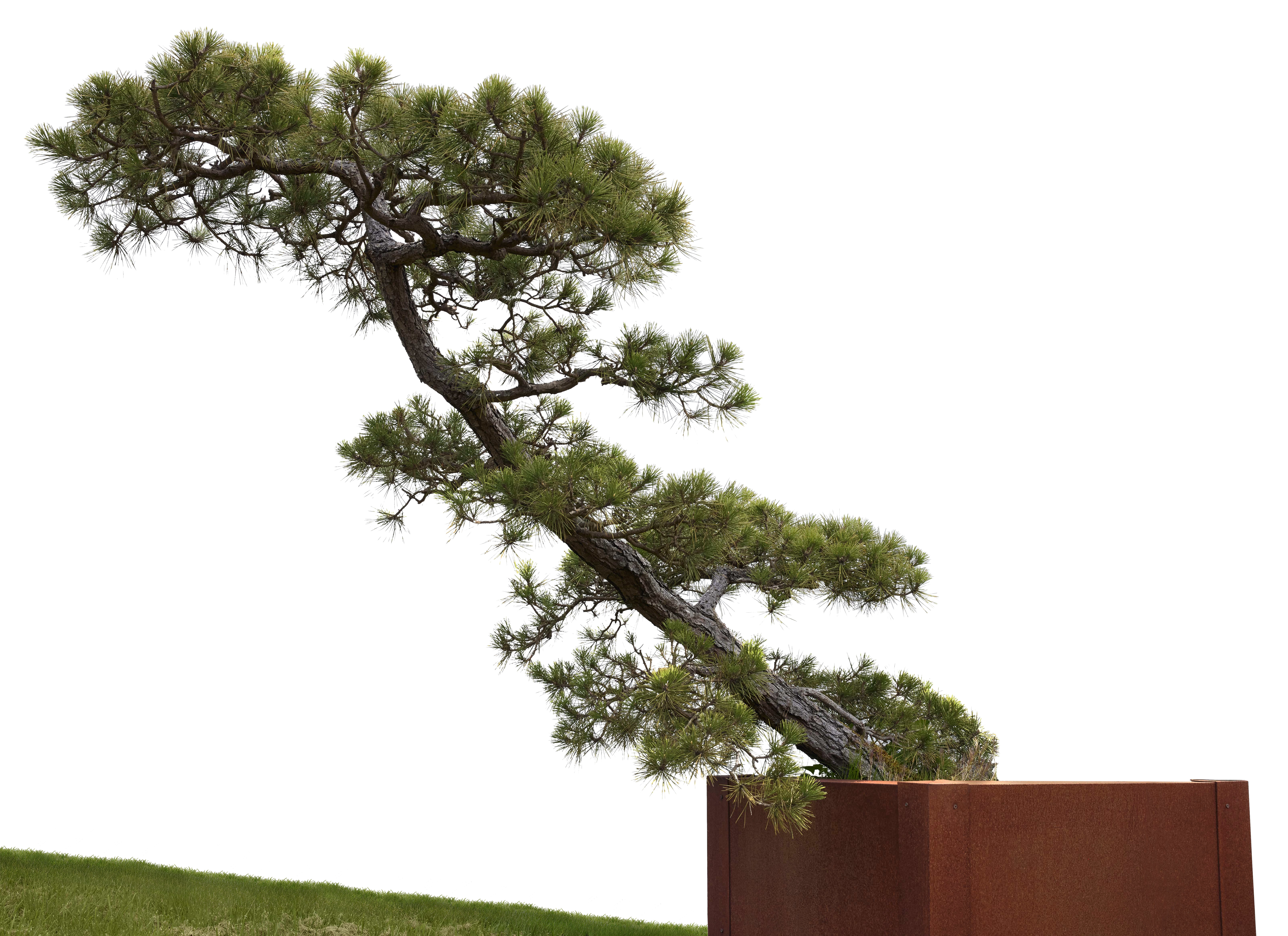
Character
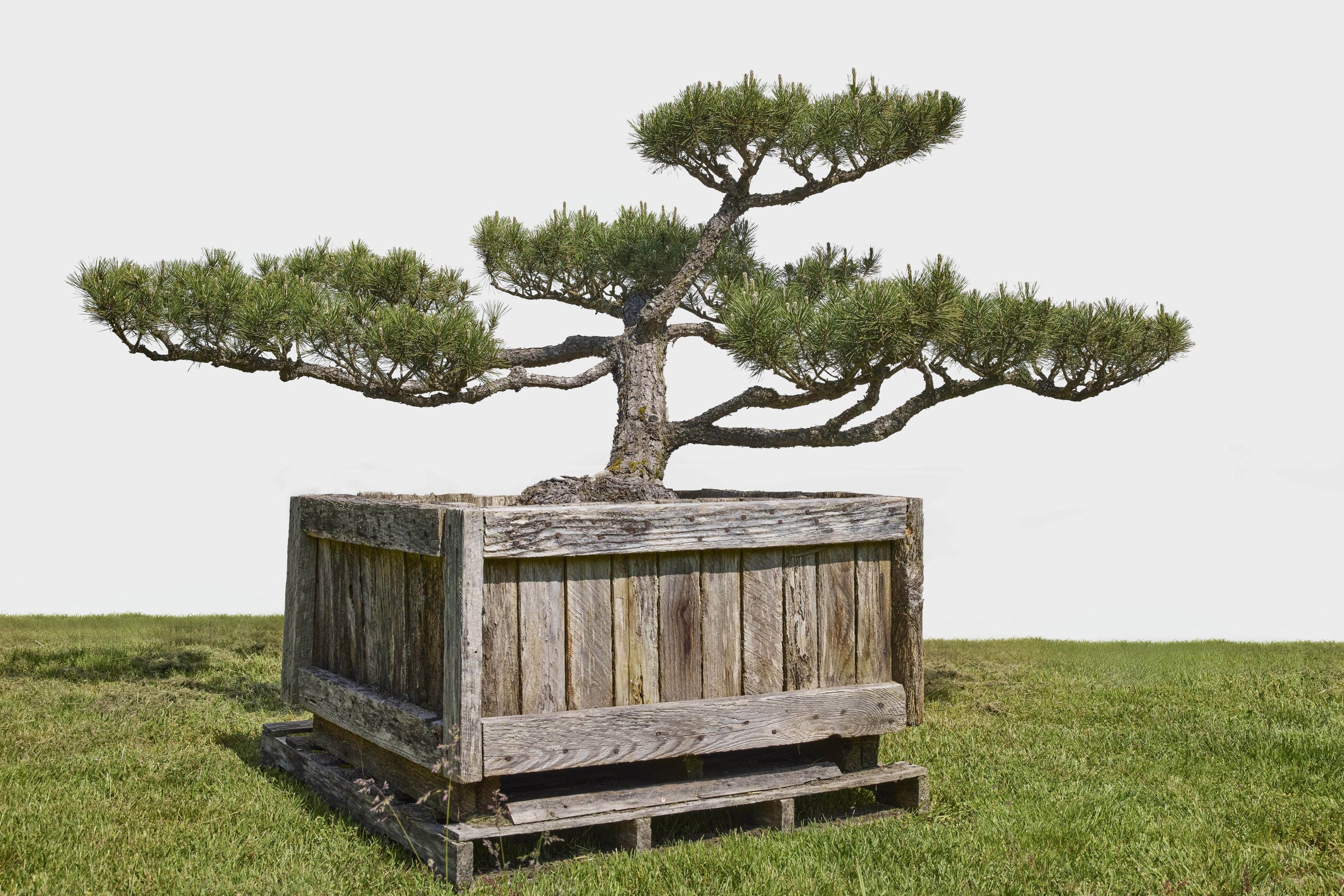
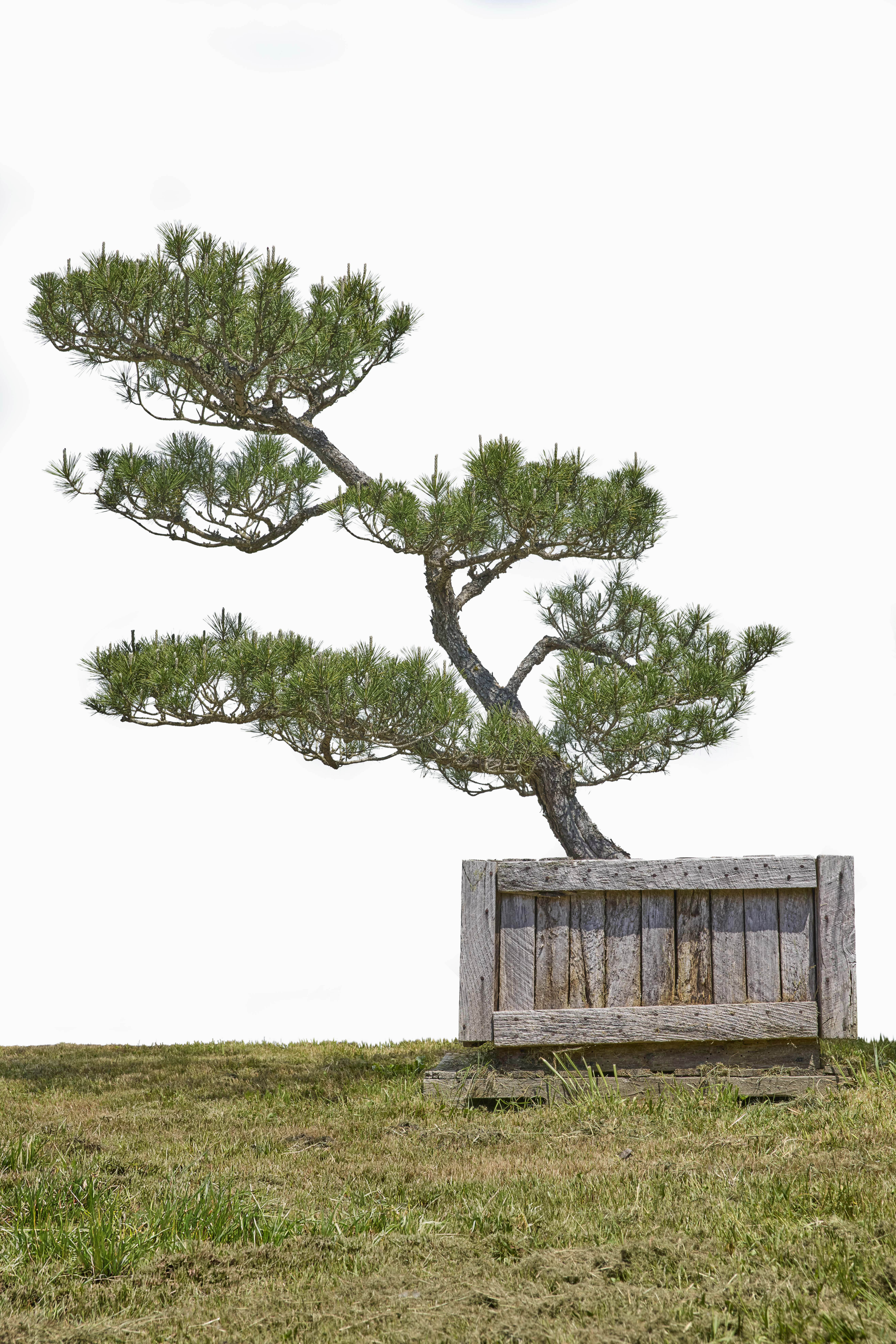
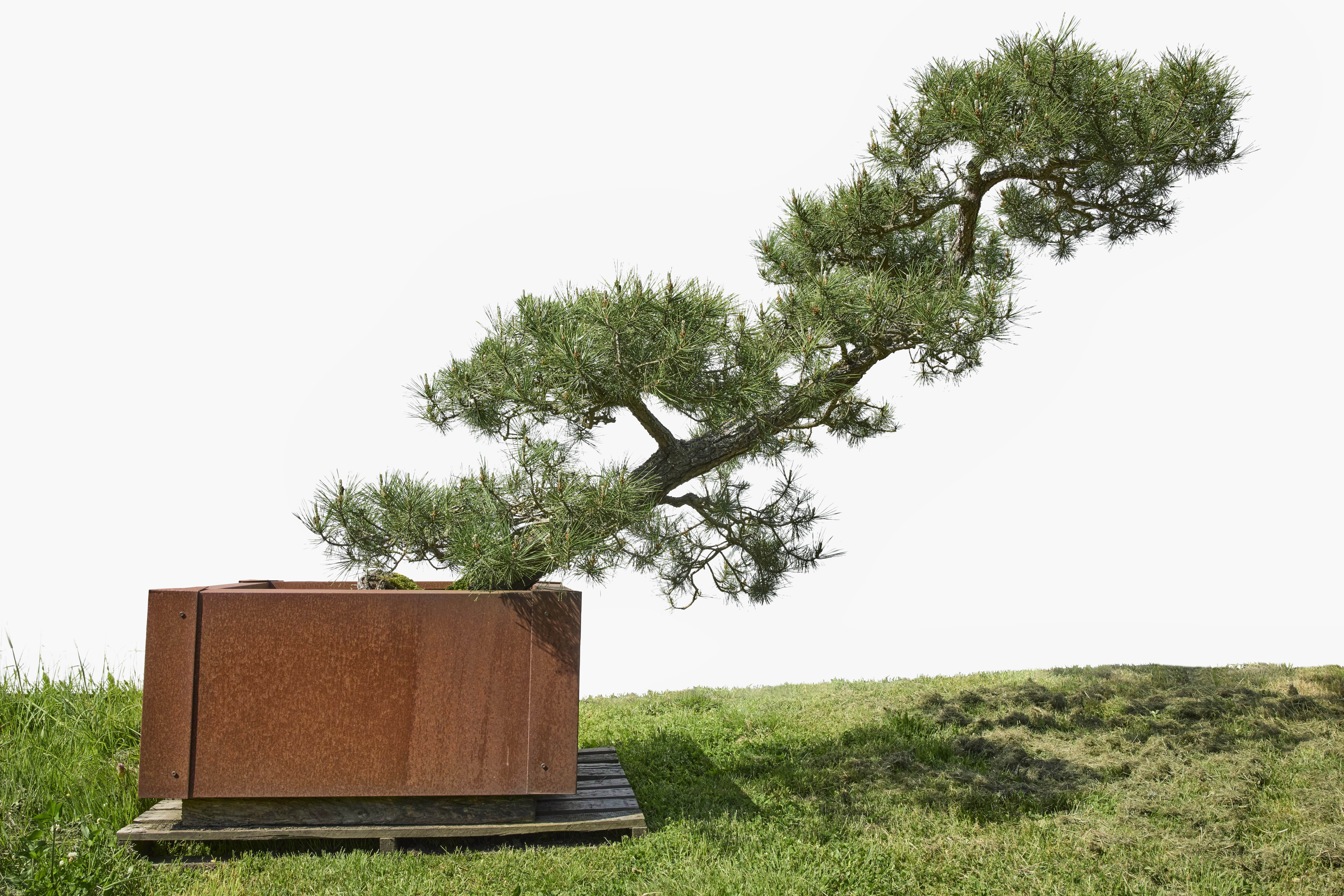

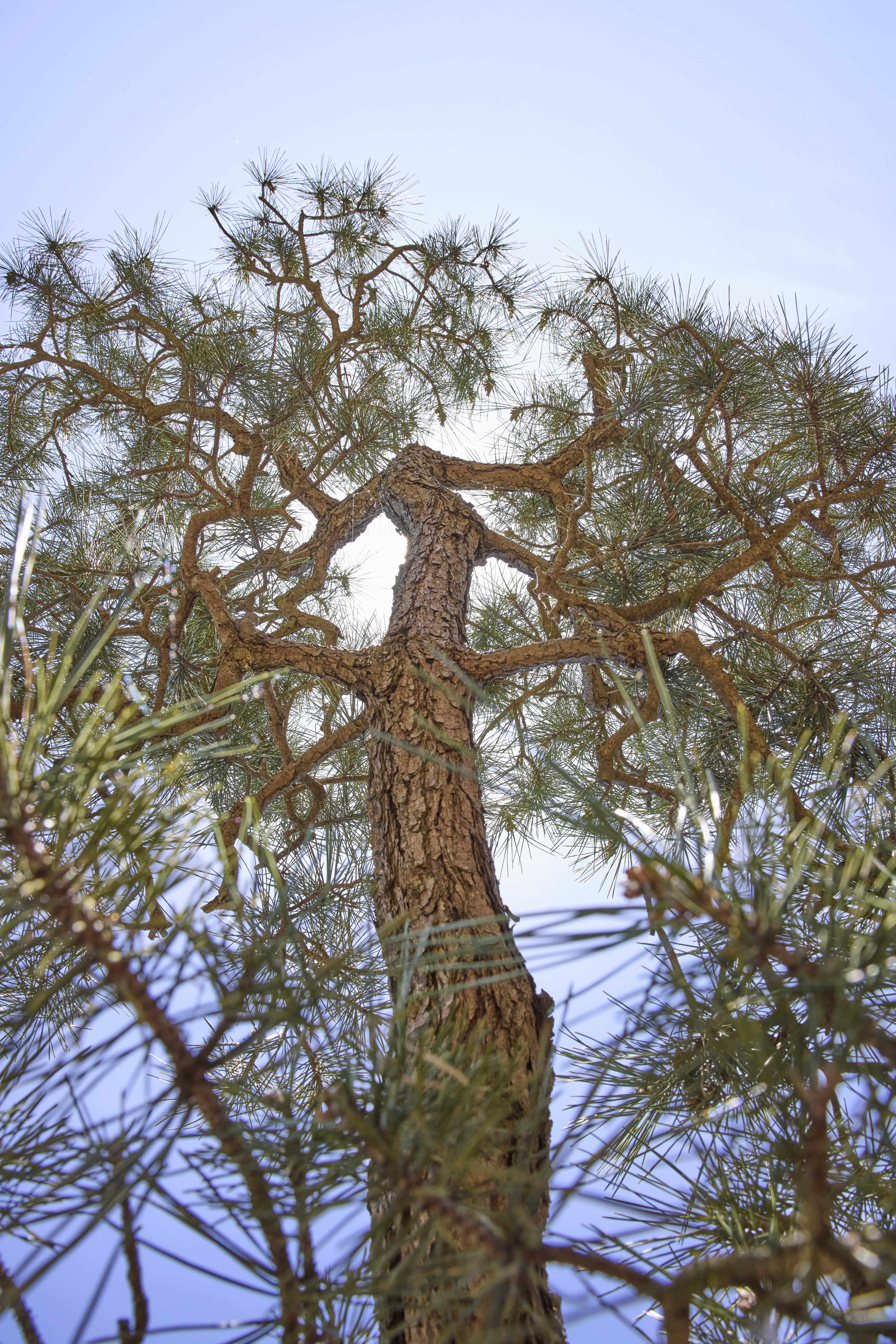
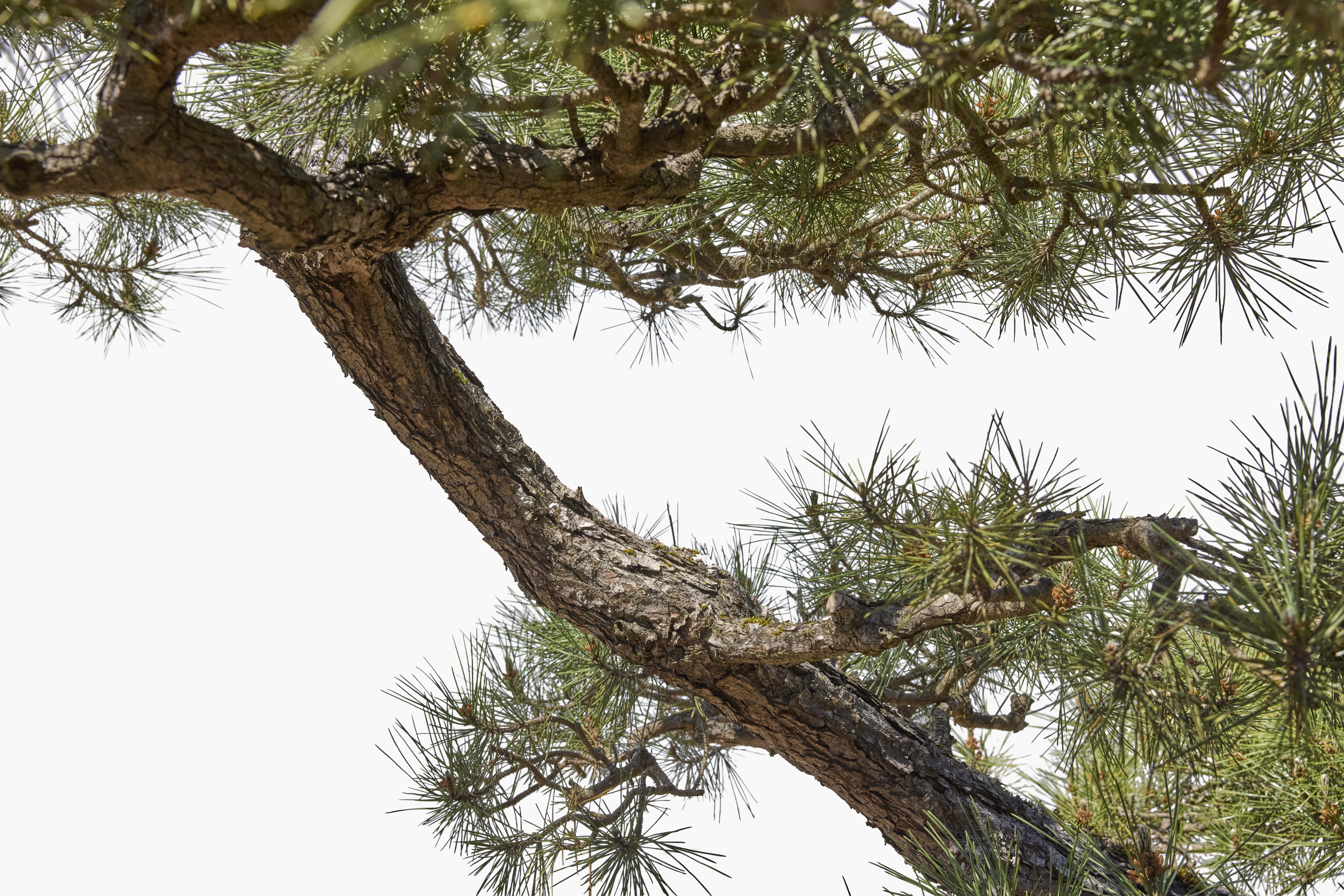
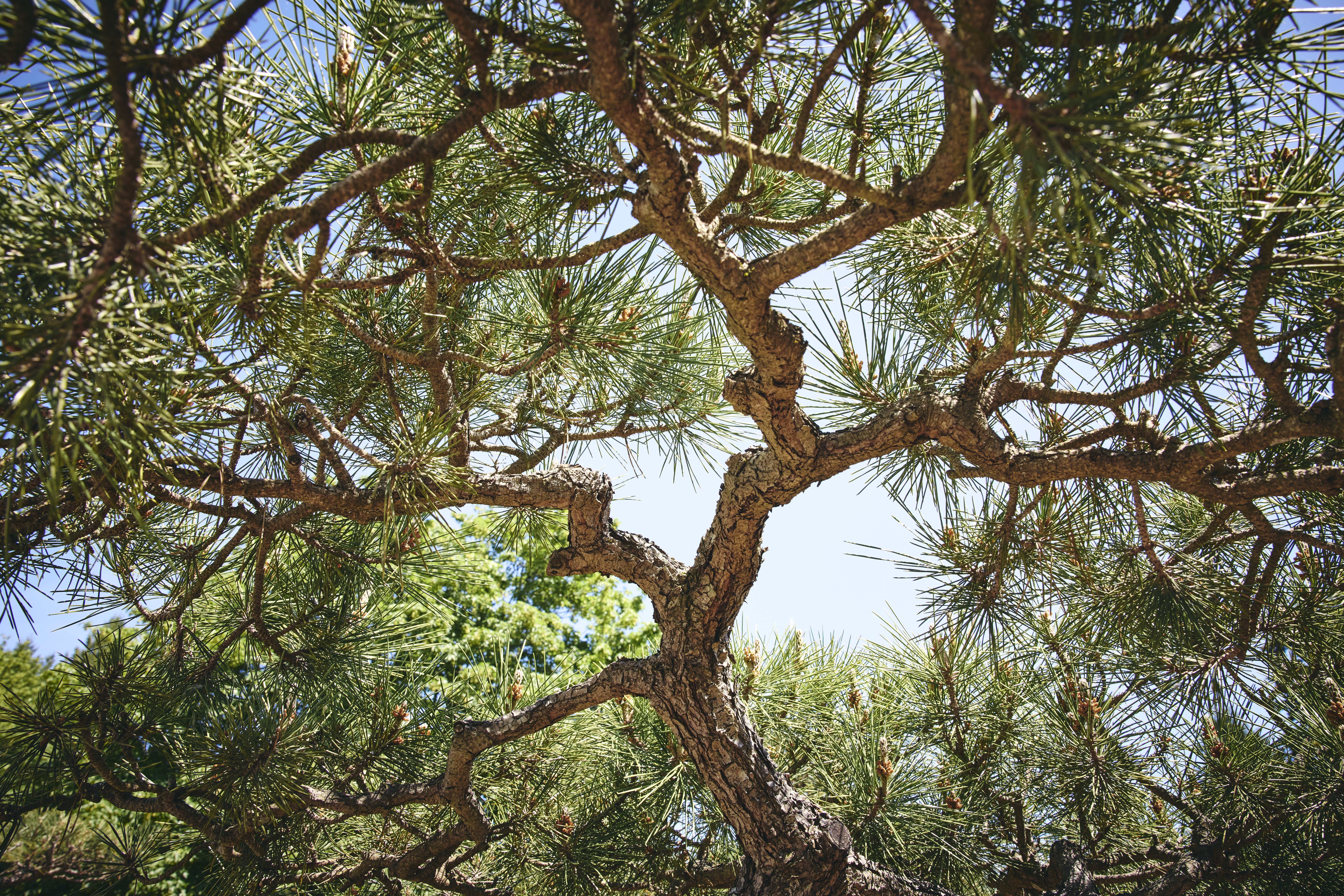
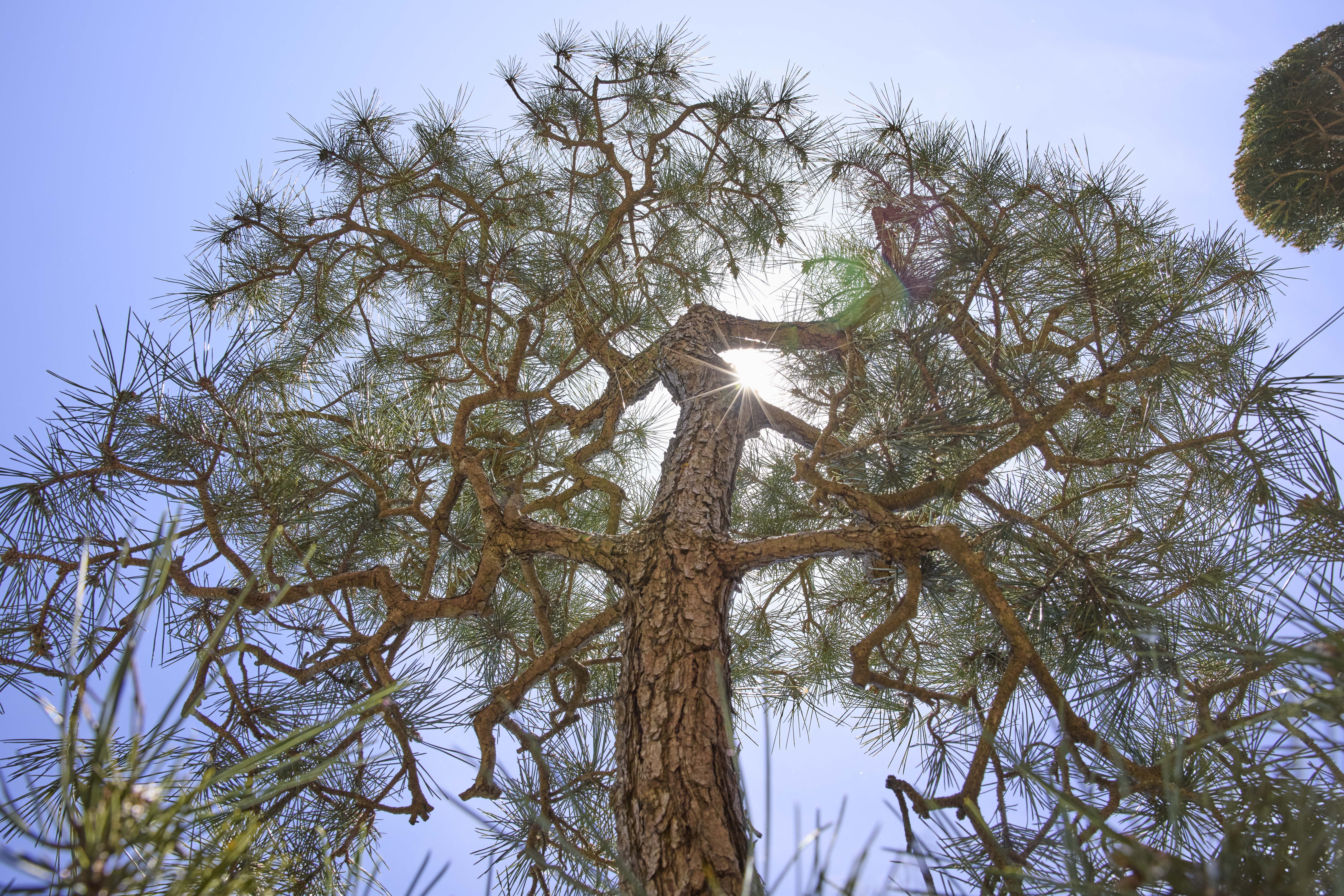
This tree belongs to a quieter register within the collection. Where most specimens carry their foliage in tightly defined pads — clean edges, visible structure, open space between each layer — this is one of only a few that grow differently. The branch ends are softer here, more delicate, their tips interwoven and overlapping in a way that feels less sculpted and more grown. It is the difference between architecture and atmosphere. What makes this tree its own is the lean. Strong and committed — roughly thirty-five degrees off horizontal — carrying the canopy outward and upward in a long diagonal that reads unmistakably as a water feature tree. This is a form shaped to extend over a pond edge, to reach across a stream, to hover above a still surface where its reflection becomes part of the design. The soft, flexible growth at the branch tips only amplifies the effect: foliage that moves with the breeze, that catches light in layers, that feels alive above the water rather than merely placed there. At the base, a beautiful and well-pronounced nebari anchors the whole composition. The roots spread wide and grip the ground with visible authority, the kind of root structure that makes the lean feel earned rather than accidental — the tree holding itself in place with the same quiet strength that supports nine feet of lateral spread above. It is a tree that combines the drama of its angle with the gentleness of its texture — reaching outward with force, arriving softly.
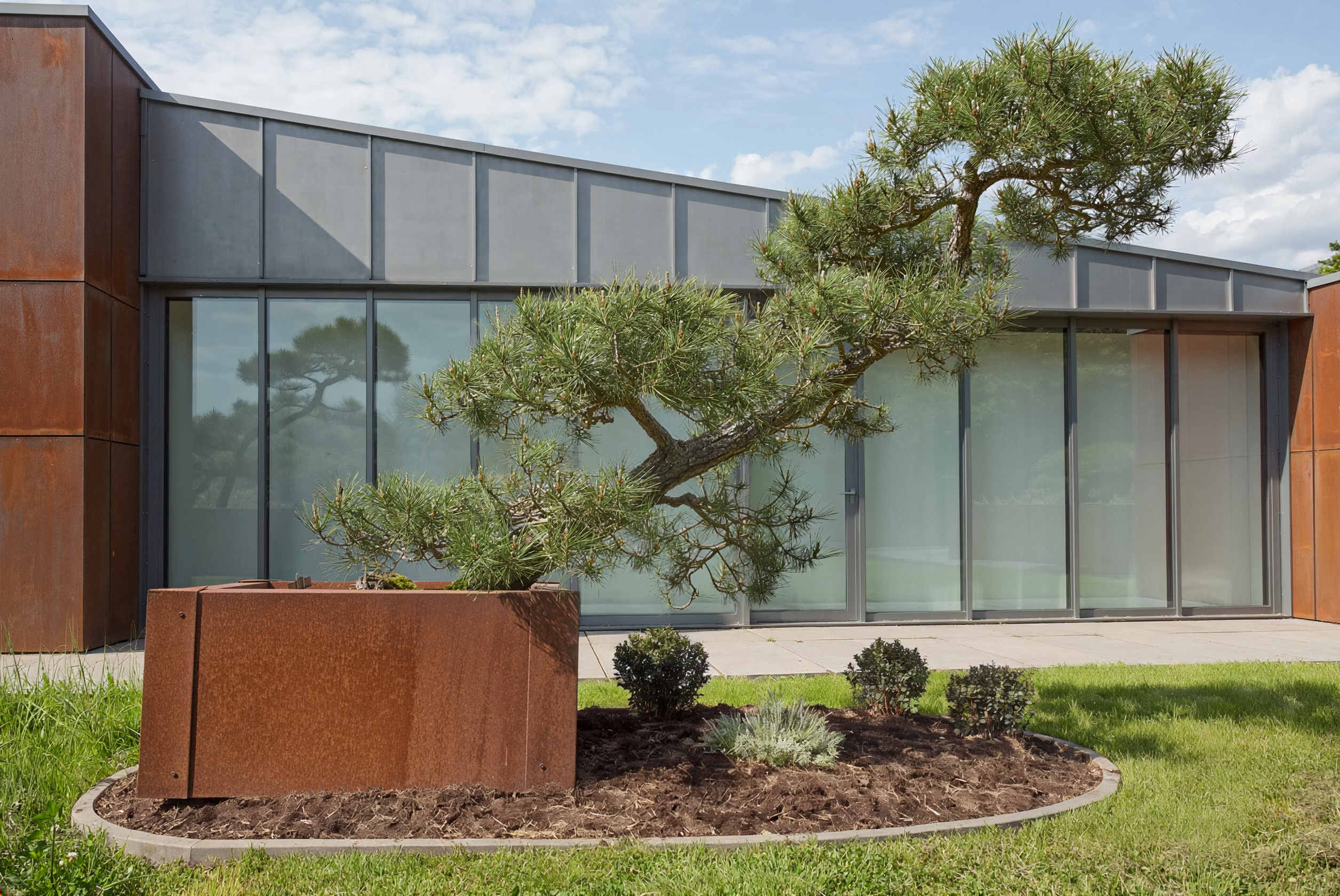 Visualized in setting
In Context
Designed to reach over water. The angle of the lean places the canopy exactly where a pond, pool, or stream would sit below — its soft, flowing foliage reflected on the surface, shifting with every breeze. The delicate branch texture gives it a gentler presence than a sharply structured specimen, making it equally suited to naturalistic garden settings where it can lean out over moss, stone, or a quiet path. A tree that softens the edge of whatever it grows beside.
Specimen No. 13
Each tree is offered privately. We welcome inquiries from collectors, landscape architects, and those who understand what patient work quietly builds.
Inquire About This TreePrivate collection · Available now