庭木 · The Art of the Garden Tree
庭木
Niwaki is the Japanese practice of training trees to express their essential character through decades of purposeful pruning — not imposing a shape, but revealing the one already there.
Niwaki — literally "garden tree" — describes trees that have been intentionally trained and pruned for placement within a Japanese garden. The practice grew from Chinese garden traditions that reached Japan beginning in the 6th century, evolving through the influence of Shinto reverence for nature and Buddhist garden philosophy over many subsequent centuries.
By the Heian period (794–1185), garden principles had been codified in formal manuals — most notably the Sakuteiki, one of the oldest surviving texts on garden design — and aristocratic gardens in Kyoto had begun treating individual trees as deliberate compositional elements. Through the Muromachi and into the Edo period (1603–1868), the practice continued to refine. Temple and stroll gardens, and the estates of the samurai class, each developed their own approach to shaped trees as aesthetic and symbolic presences in the landscape.
The defining principle that separates niwaki from Western topiary is this: topiary imposes a form from outside. Niwaki works from within the tree's own structure — removing what obscures the tree's inherent character and cultivating what gives it clarity. The goal is a tree that reads as both aged and intentional, shaped equally by time and by hand.
The most structured expression. Branches are directed with precision, foliage pads clearly defined, the strongest growth buds retained. The result is a composed, legible silhouette. Historically associated with samurai residences and formal entry plantings.
The middle register. Middle-vigor buds are selected for a rounded, softened result — clearly trained, but with more relaxed presence than shin. Suited to mid-ground placements and garden pathways.
The most understated form, guiding the tree along its own growth tendencies with a light editorial hand. Associated historically with imperial and palace gardens, where unheaded, continuous branching expressed dynastic permanence.
Once a tree is committed to a formal style, it cannot return to an informal one.
Among all species used in niwaki, kuromatsu holds a singular position. Its vigor, resilience, and expressive character make it the defining tree of the tradition.
Native to the coastlines of Japan's Kyūshū, Shikoku, and Honshū islands, and South Korea, Japanese Black Pine evolved in conditions that shaped its character entirely: salt spray, sandy nutrient-sparse soils, and typhoon-force winds. It is this history of adversity that makes it so responsive to training. Its natural survival strategy is vigorous, resilient regrowth — exactly what sustained niwaki work demands.
Wild trees growing on coastal cliffs naturally develop the spaced, layered silhouette that trained specimens emulate. Typhoons strip interior needles and weak growth, leaving isolated pads of foliage on extended horizontal branches. The cloud forms that define a classically trained kuromatsu are not an arbitrary aesthetic — they are what the tree produces under natural adversity, brought forward deliberately through the pruner's hand over many growing seasons.
Culturally, black pine carried specific meaning. Planted at the entry of a samurai's residence, a well-shaped kuromatsu announced the owner's presence — a living marker of status and permanence. Its deeply furrowed, plate-like bark — evocative of a tortoise shell — became synonymous with longevity and endurance.
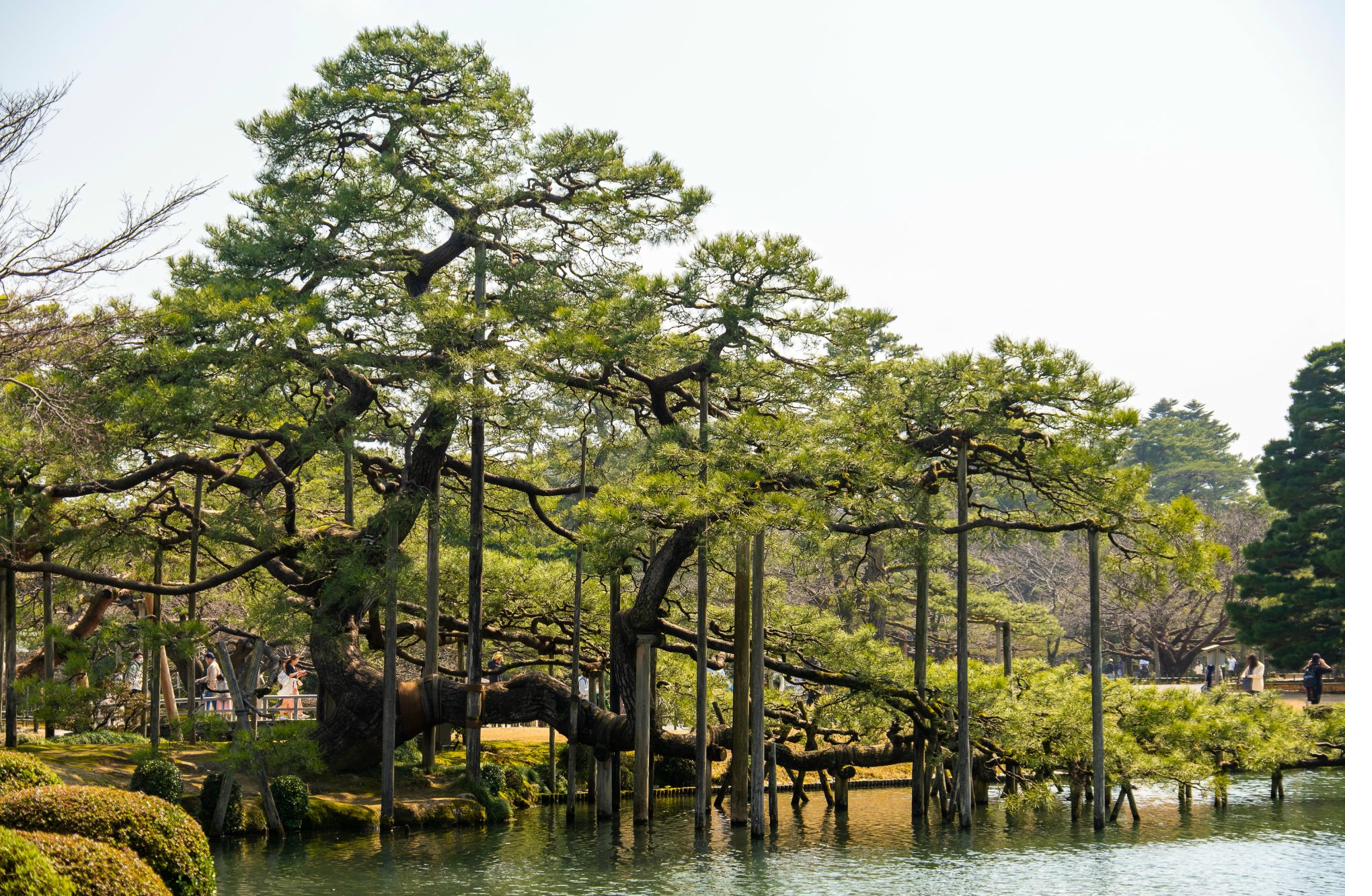
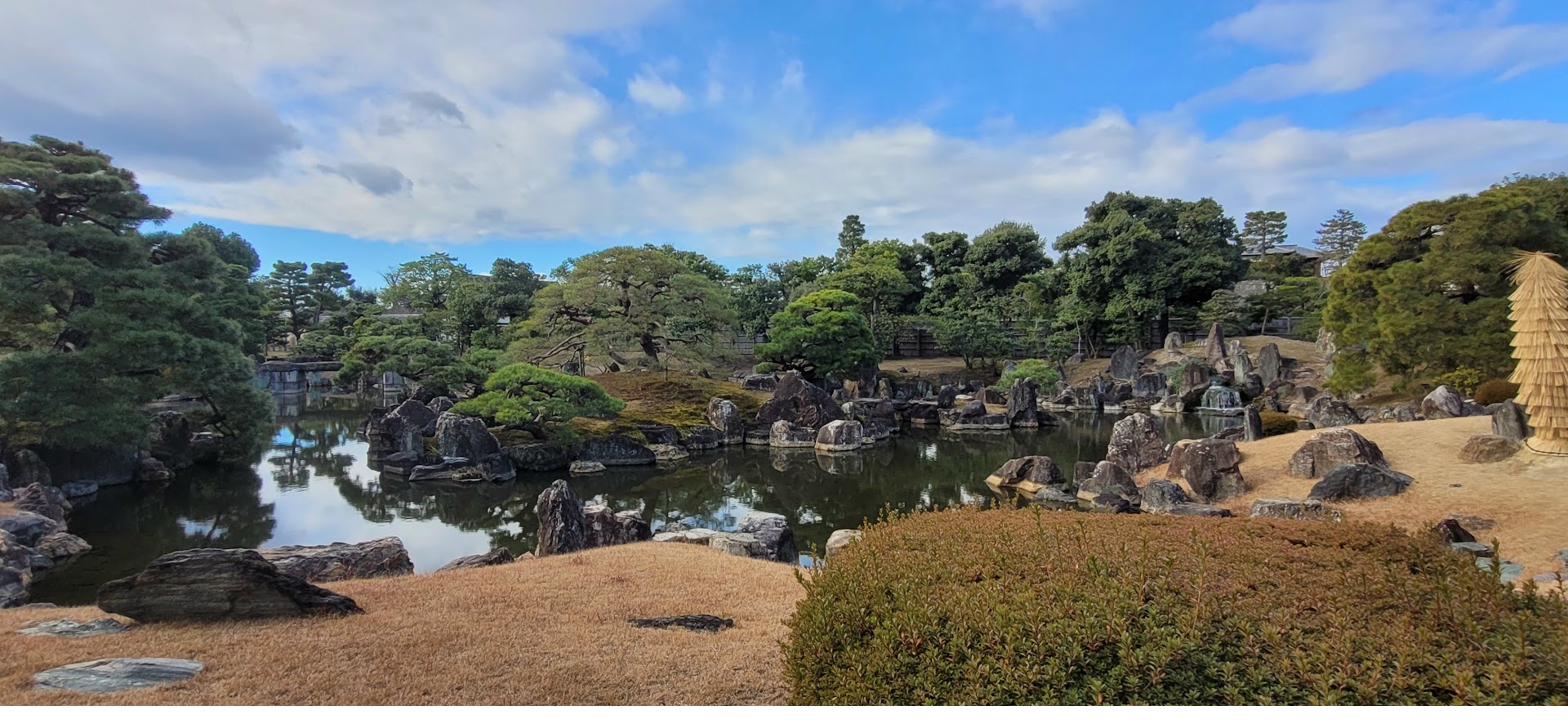
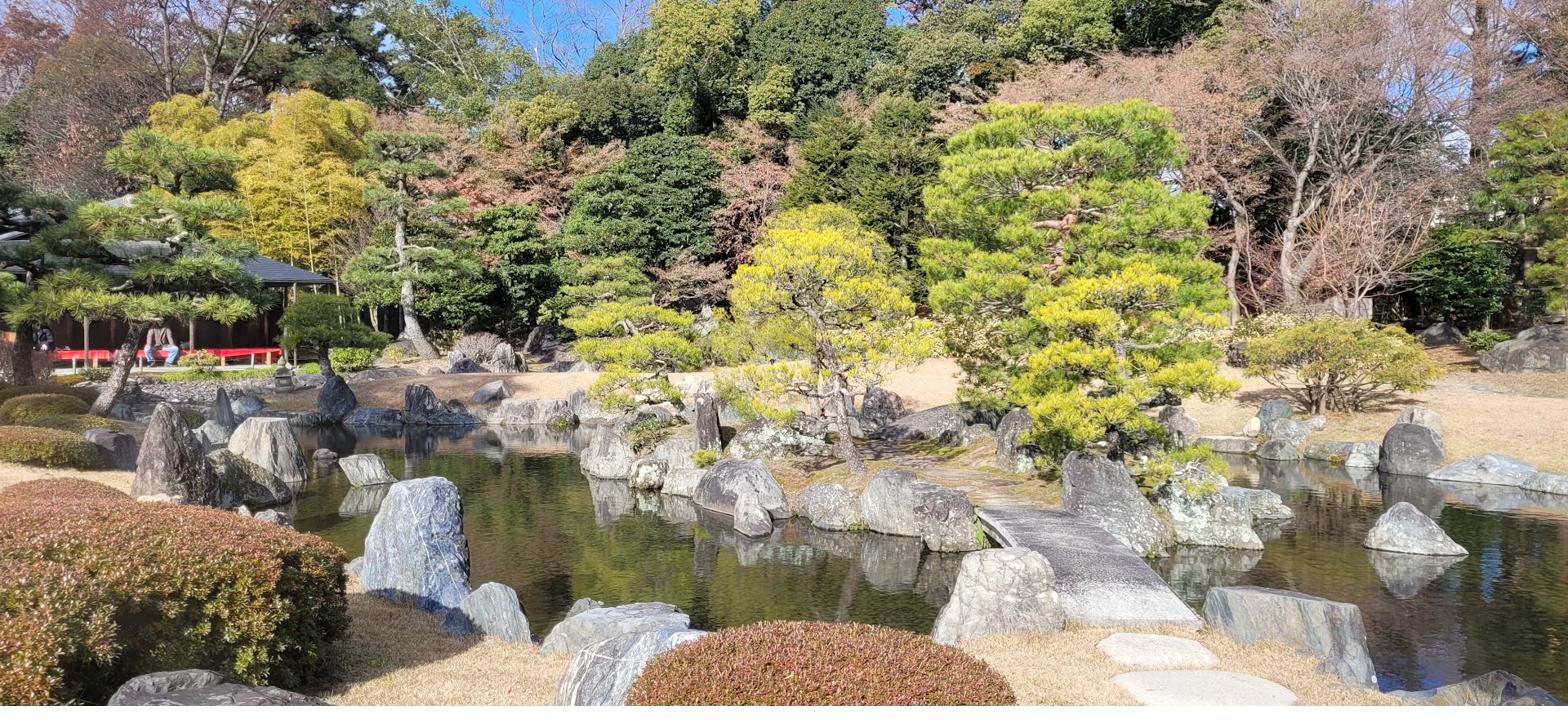
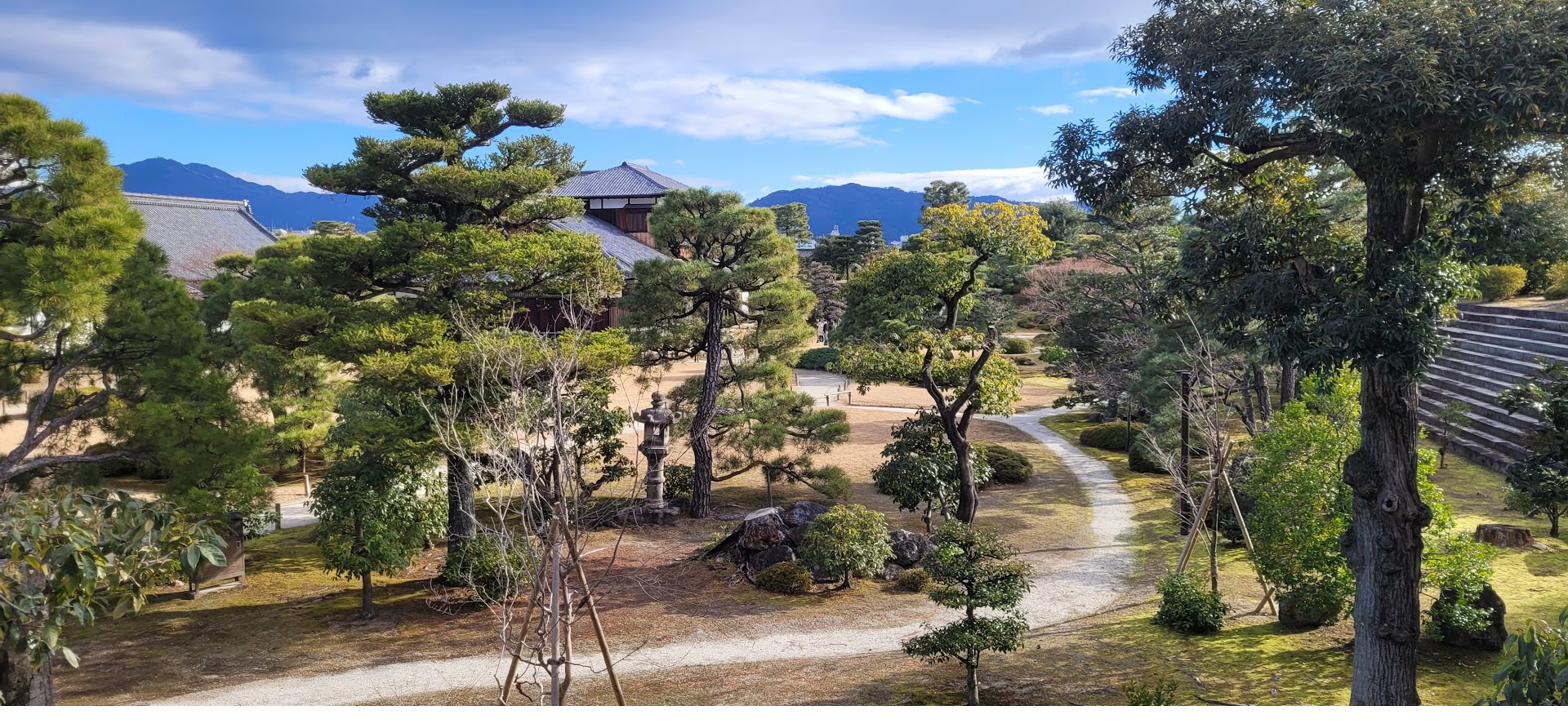
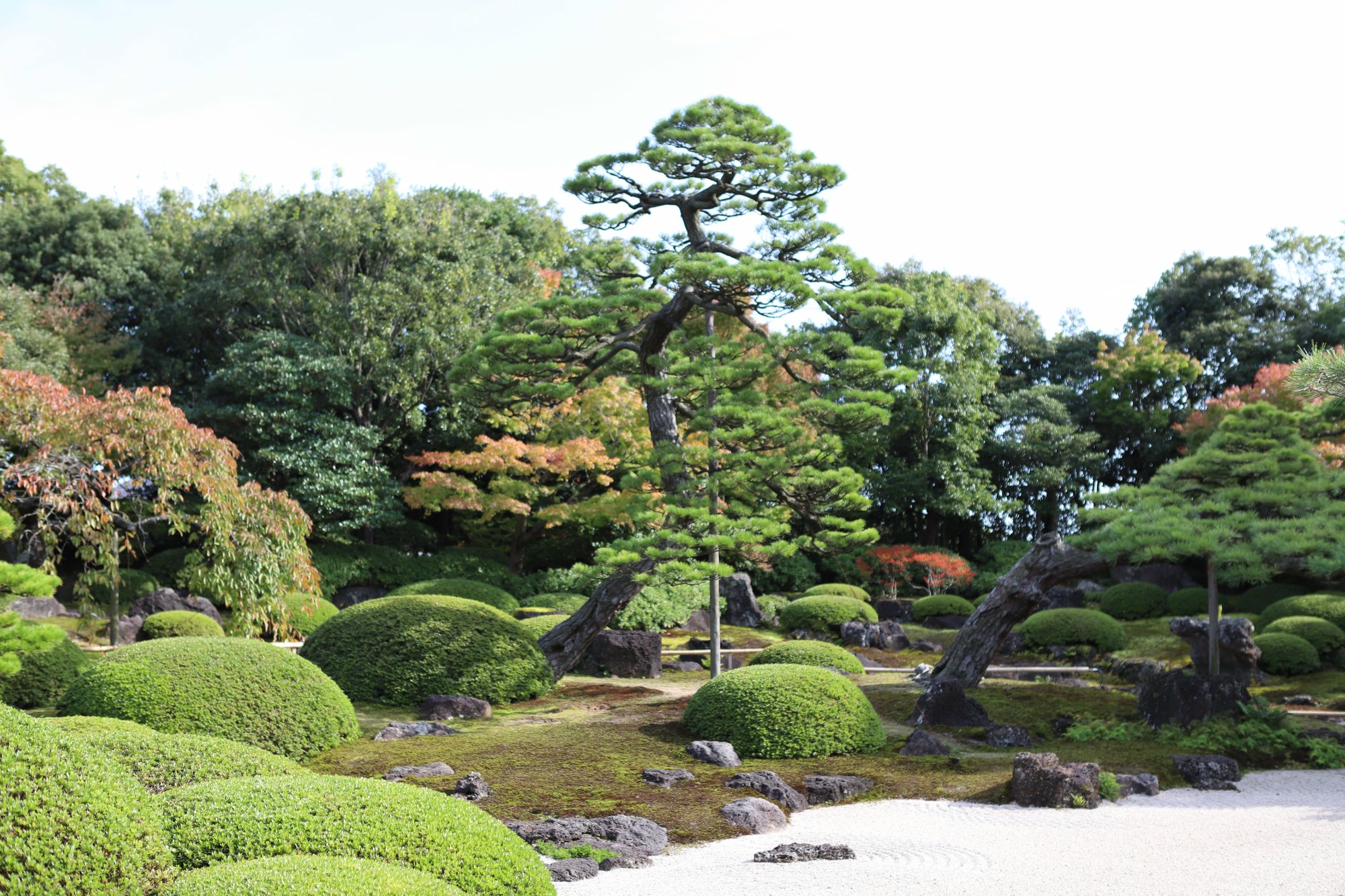
A classically trained pine reaches its full expression within a considered landscape. Water has been the natural companion to the shaped pine in Japanese garden design for centuries.
Photography · Classical Japanese gardens · Licensed for use on this page
The shaped pine as a centerpiece of the composed garden — surrounded by water, stone, and carefully considered plantings — is one of the most enduring images in Japanese garden design. These settings illustrate the tradition our collection directly descends from.
Classical Niwaki Garden
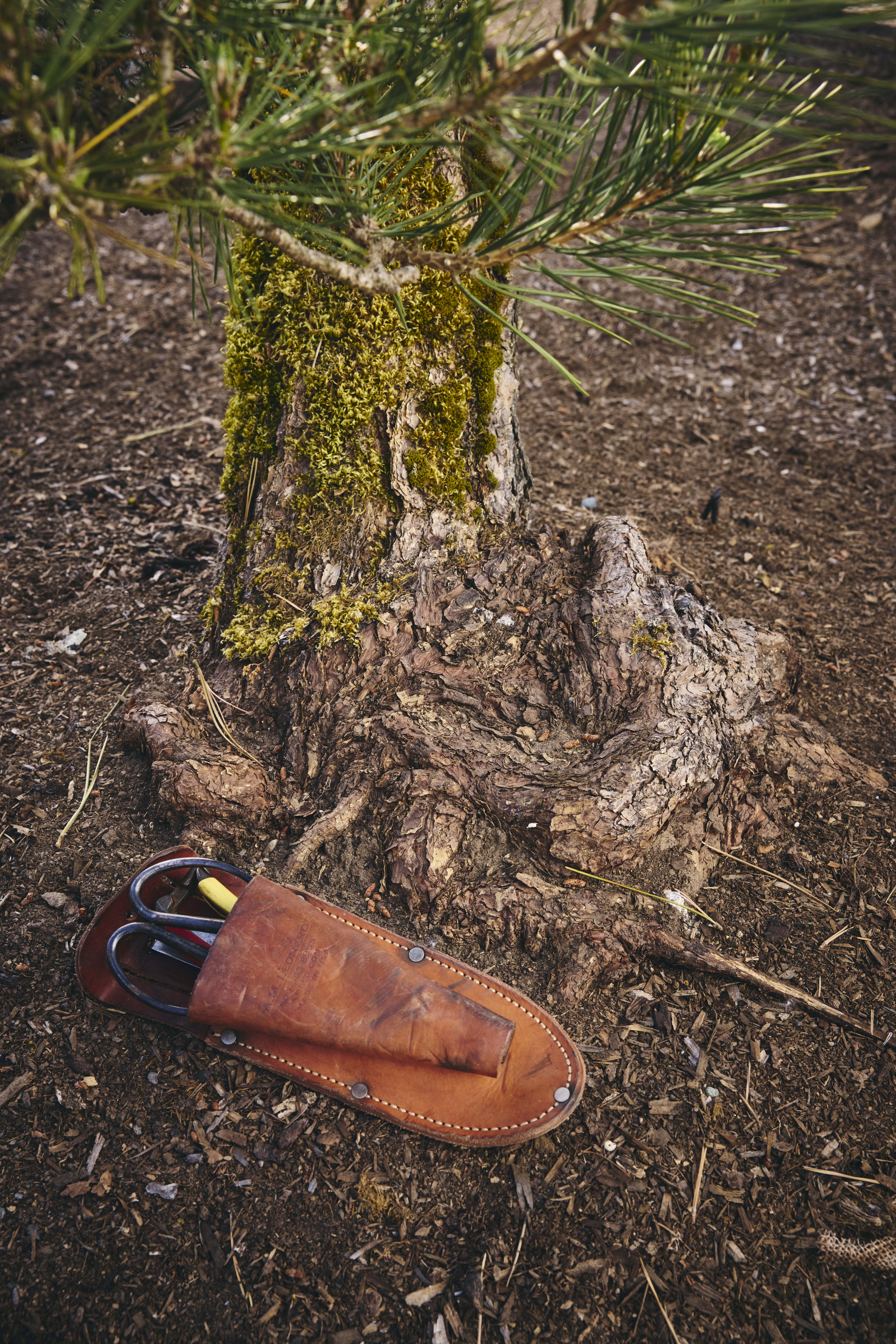
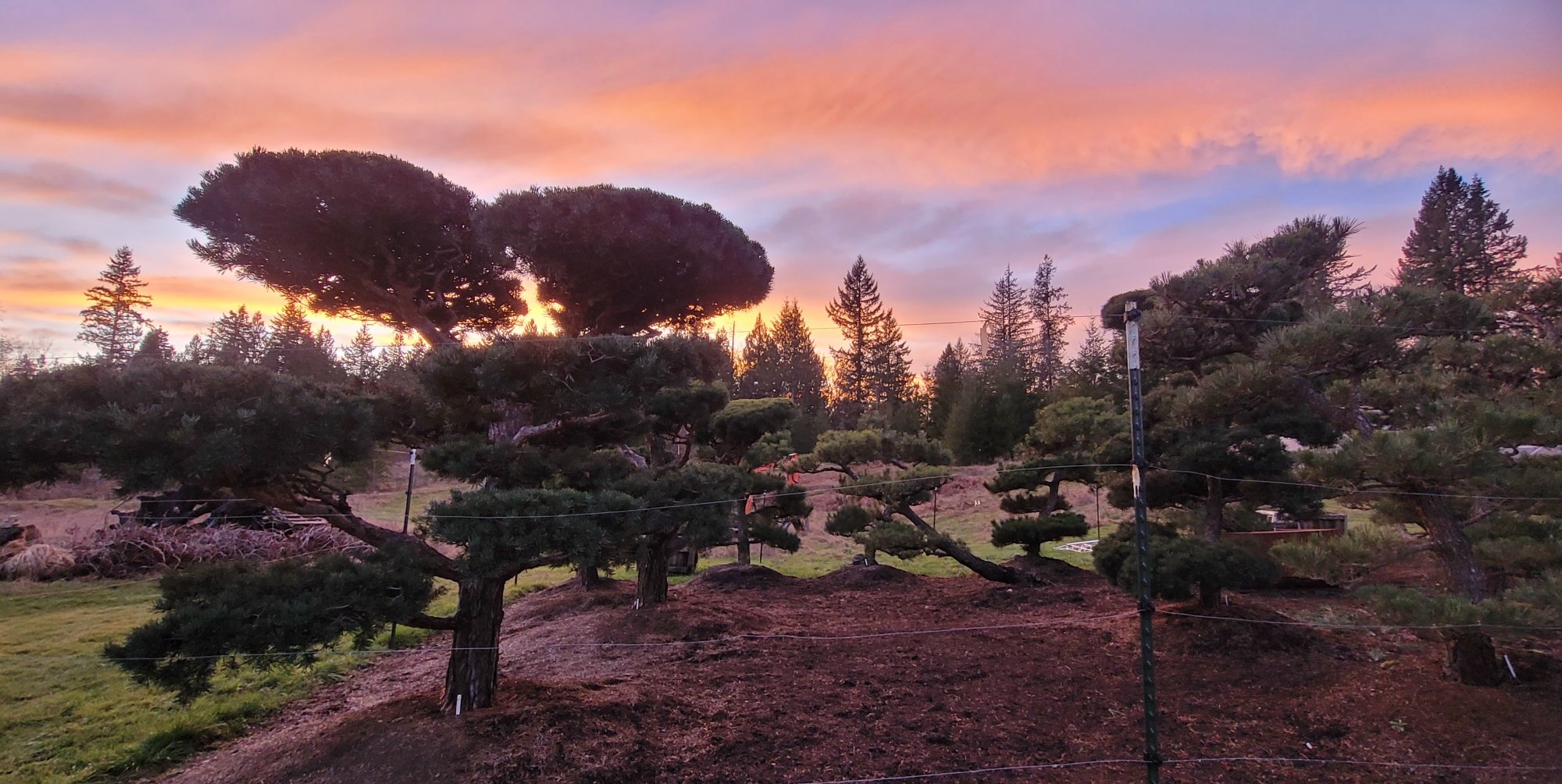
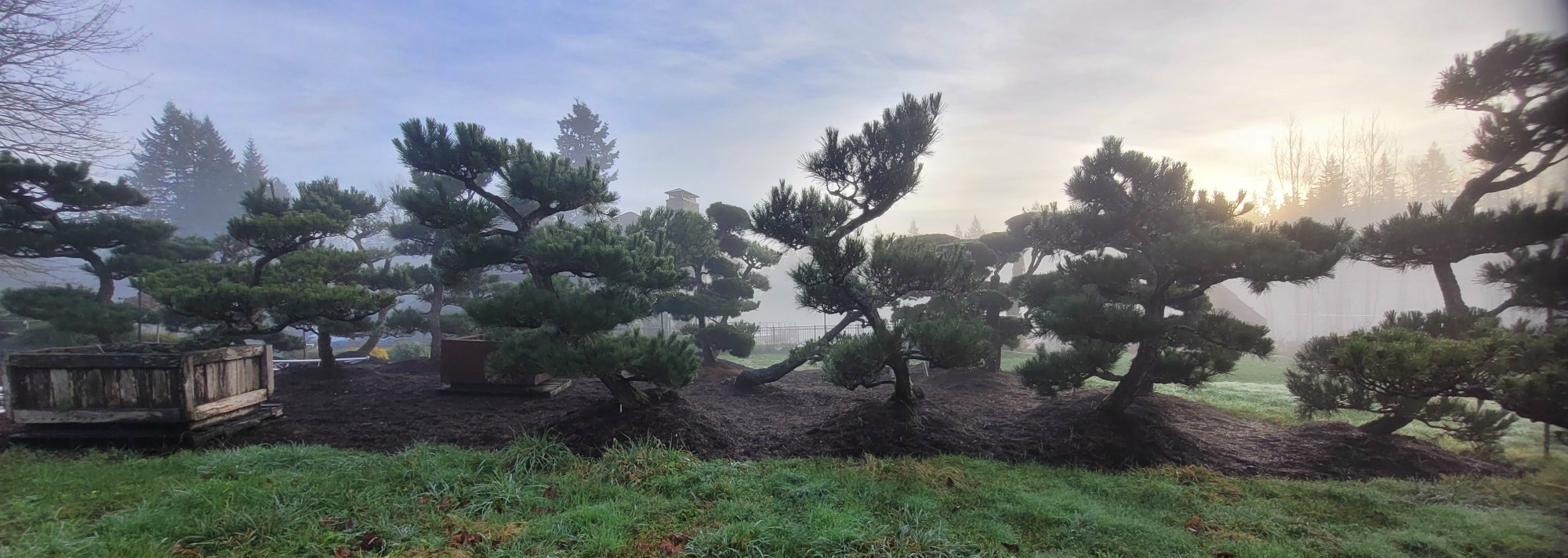
Specialty Black Pines · Washington State
Left: Licensed image · Classical Japanese garden · Right: Photography · Specialty Black Pines private collection, Washington State
Every tree in this collection was started young on a Washington State farm and shaped over more than forty years by a trained and skilled pruner. The work ranges across shin and gyō — from the formal, architectural expression to the softer transitional form — with each tree developed individually according to its own character. Each was deliberately leaned in youth to establish the nebari and trunk movement that only early, intentional intervention can produce.
What stands in this collection is the accumulation of a single focused practice, carried out season after season across five decades. These trees are the result — and they exist only once.
Technical and cultural information on Pinus thunbergii and niwaki pruning methodology referenced from: Edzard Teubert, Replacing Kuromatsu, North American Japanese Garden Association, December 2021 — najga.org/pine. Additional botanical reference: Oregon State University Landscape Plants (Pinus thunbergii); Wikipedia, Pinus thunbergii; Seattle Japanese Garden, Pine Trees of Japan, Part Two (2019).